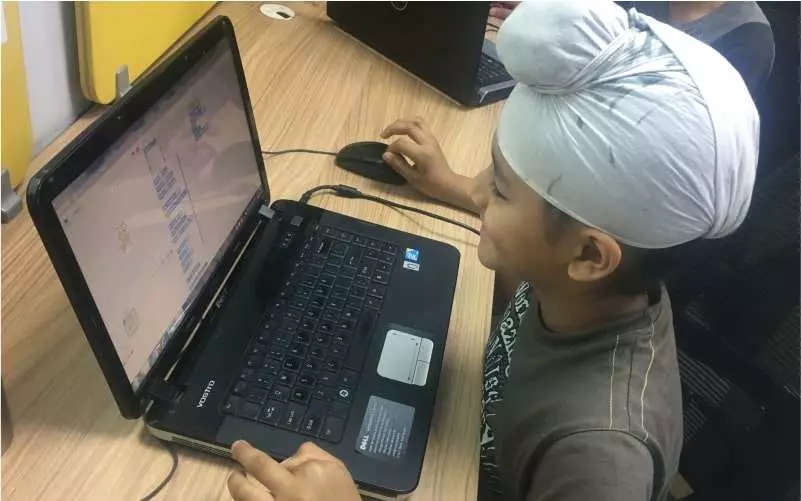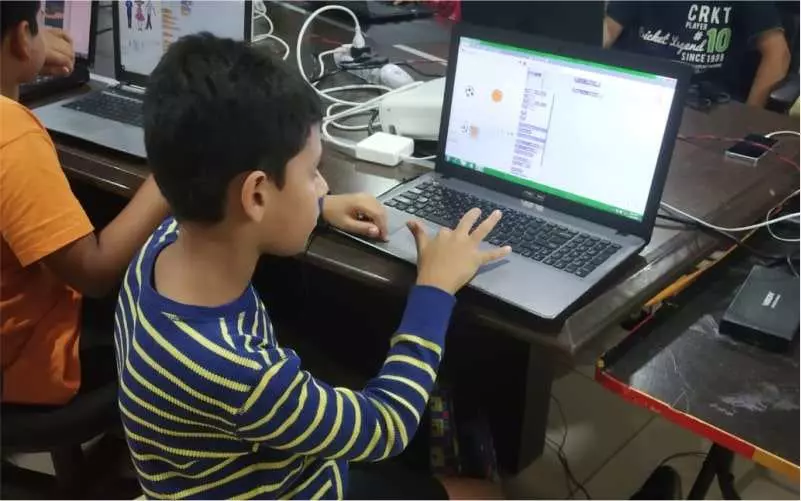
Lydnow offers a 3-part course in Computational Thinking with Scratch and Snap to students aged 10+ years who are creative and enjoy learning by doing. Scratch is a block based LEGO-like visual programming language in which students can drag and combine program blocks to make interactive stories, games and animations. Students learn programming concepts without any keyboard typing skills or the need to memorize language specific syntax and rules. Scratch is a useful stepping stone before students can try text-based languages like Python. This part of the course covers the basics of programming, introduction to Scratch, User Interface and concepts required for creating simple interactive animations, games and artwork.
Today, computer science is the fastest-growing job market, and people with coding skills are highly sought after. Besides the technical skills, employers primarily look for reasoning and problem-solving abilities which are the key to success in the technology industries.
Computational thinking has become a very important skill for students. Thinking about how a computer would execute a task and designing solutions and algorithms accordingly is the bedrock of success in computer science and related fields. The Computational Thinking 101 course focuses on the fundamentals of computing for problem-solving.
Lydnow Computational Thinking 101 Summer Online Course
The intermediate-level computational thinking course is designed to encourage problem-solvers to apply themselves to programming. Students understand and practice the 4 essential parts of CT - decomposition, pattern recognition, abstraction, and algorithm creation.
This course is the recommended first step in a child’s programming journey to ensure a smooth learning curve. This course does not need any keyboard skills and uses SNAP and Scratch – to introduce children to programming in a fun way, where they learn by creating fun applications on their own.
The Lydnow computational thinking course takes a methodical approach to the algorithm building process and helps students to experience programming concepts and acquire skills by using coding tools and tricks and while building challenging projects.
This course focuses on developing HOTS (higher-order thinking skills), argumentation, data-driven decision making, etc in order to prepare students for long-term success with programming. Students pick up skills that impact them powerfully as they learn to articulate a problem and think logically.
Computational thinking also imbibes a habit of thinking and acting in an orderly sequential manner and encourages students to take on disciplined approaches in everyday life. They learn to explore cause and effect and analyze how their or others’ actions impact any given situation.
On completion of this course, students get an invitation to Level 2 Computational Thinking with SNAP and Python programming. They further continue their journey into Machine learning and data science with python.
Participants receive recorded sessions, worksheets, and session notes regularly. Attendees also have the opportunity to make up for any missed classes through extra classes with their trainers.
We understand that you will have lots of questions about our courses, so below are answers to the questions we are frequently asked. If you have other questions please get in contact with us via email on info@lydnow.com or call on +91 97631 63833
Starting soon!
Level: Beginner
Age Group: 10 - 15 years
Training Hours: 80 hours
Format : In-Class
Starting soon!
Level: Intermediate
Age Group: 10 - 15, 16 - 22 years
Training Hours: 30 hours
Format : In-Class
Starting soon!
Level: Intermediate
Age Group: 10 - 15, 16 - 22 years
Training Hours: 30 hours
Format : In-Class
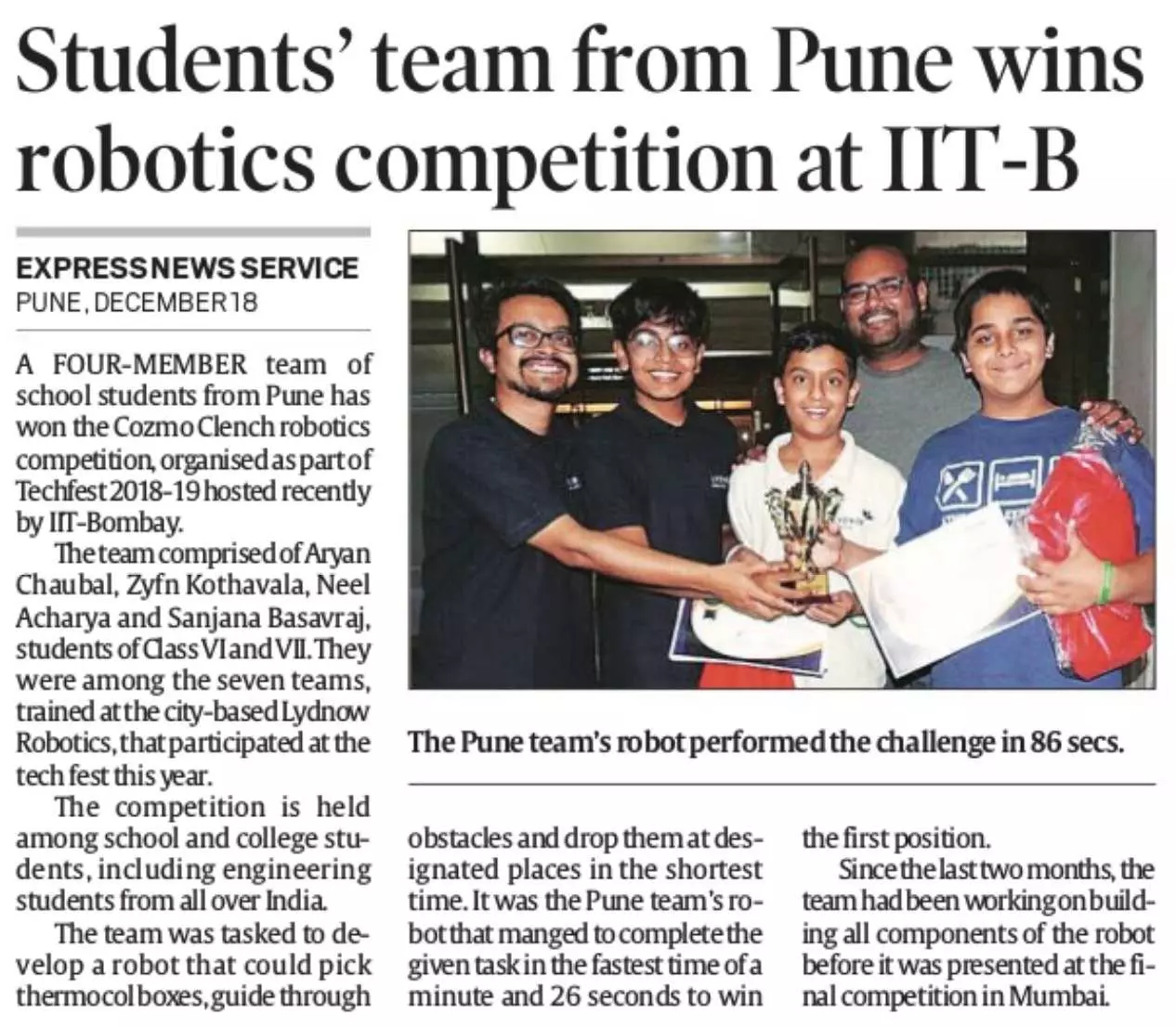
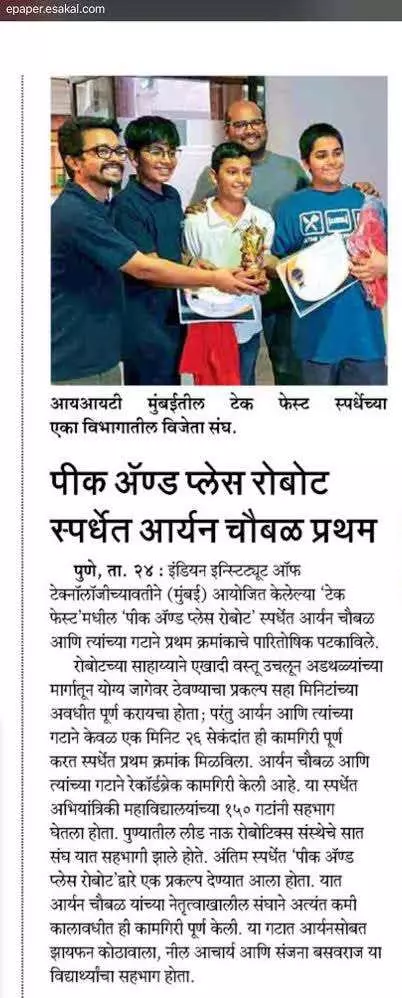
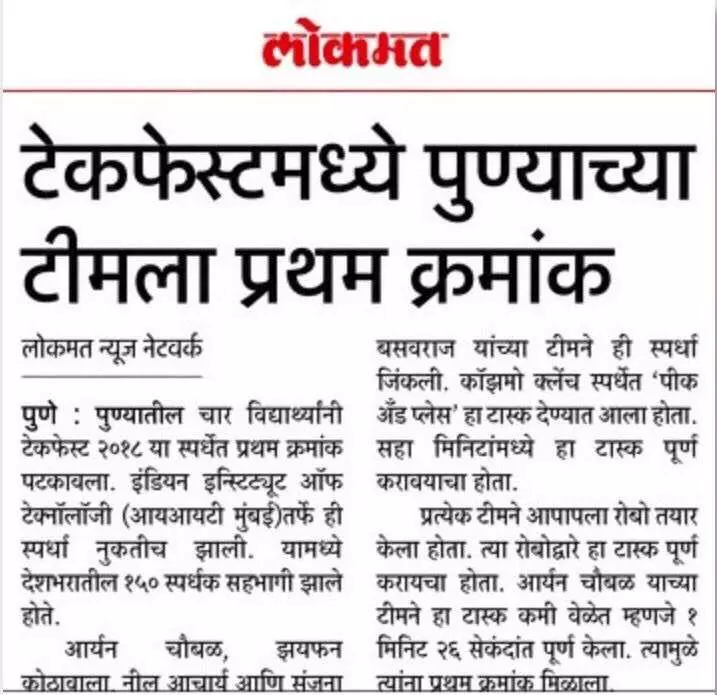
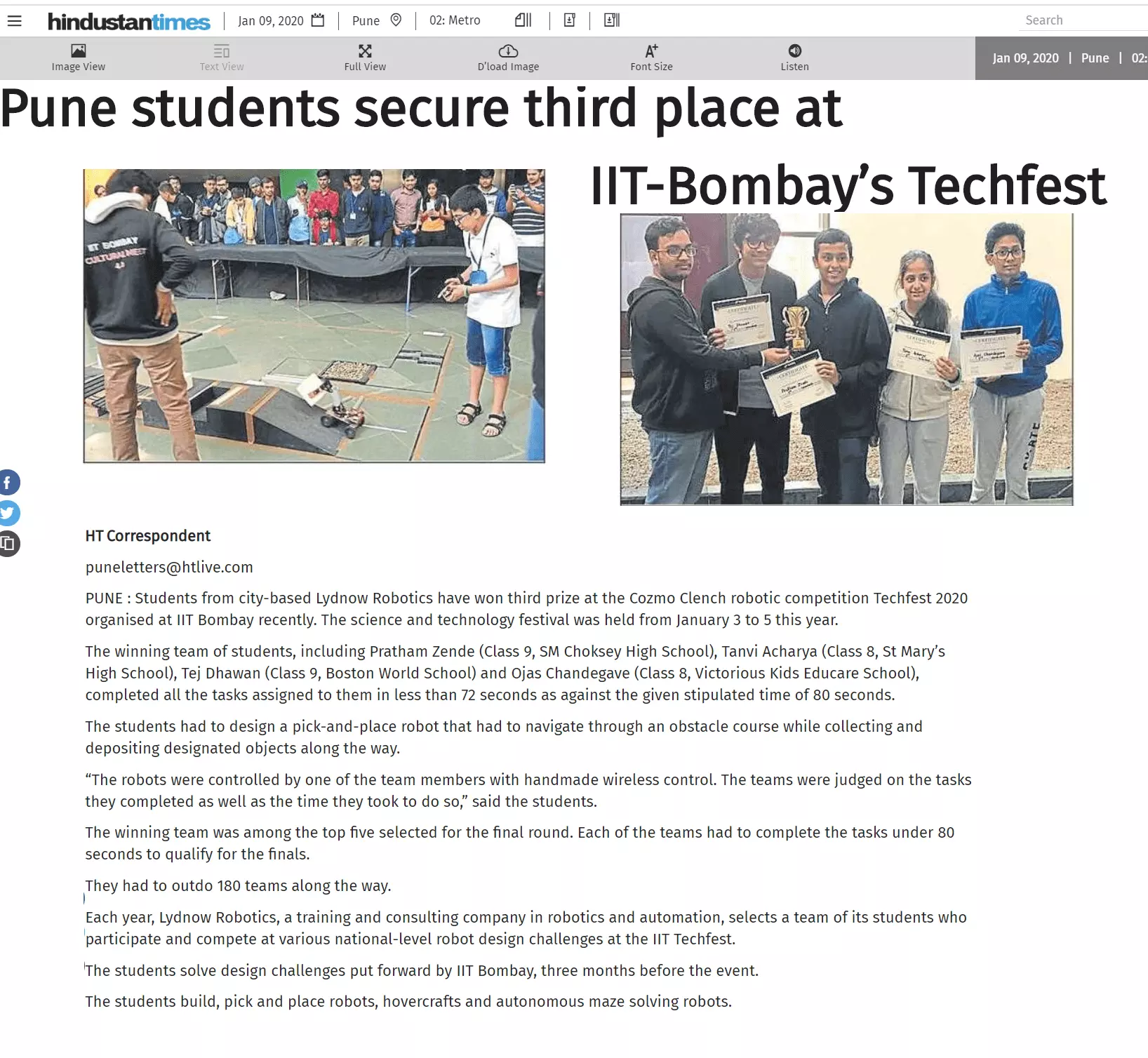
I really appreciate the insight and exposure that was provided in robotics by the Lydnow team. They were always there for us,24*7,helped us whenever needed & be creative in doing our projects. I think every moment spent at Lydnow was wonderful & in specific attending as a team to IIT Mumbai techfest was the best. I am proud to be a LYDNOWIAN & would be happy to join any workshop or attend any courses further. Thanks a lot, Arijit sir for being what you are. You are the best teacher I have come across. I am indebted to all the instructors & trainers who patiently taught me & helped me to build projects.
I am very satisfied with the quality of training at Lydnow Robotics. The way the kids are handled, boosts their imagination, logical thinking and confidence in them. Pratham has become more confident and has started thinking out of the box, always thinking of doing things differently and better. You guys are exceptionally great in training the kids. Hoping you keep doing the same magic with many more kids. All the best!
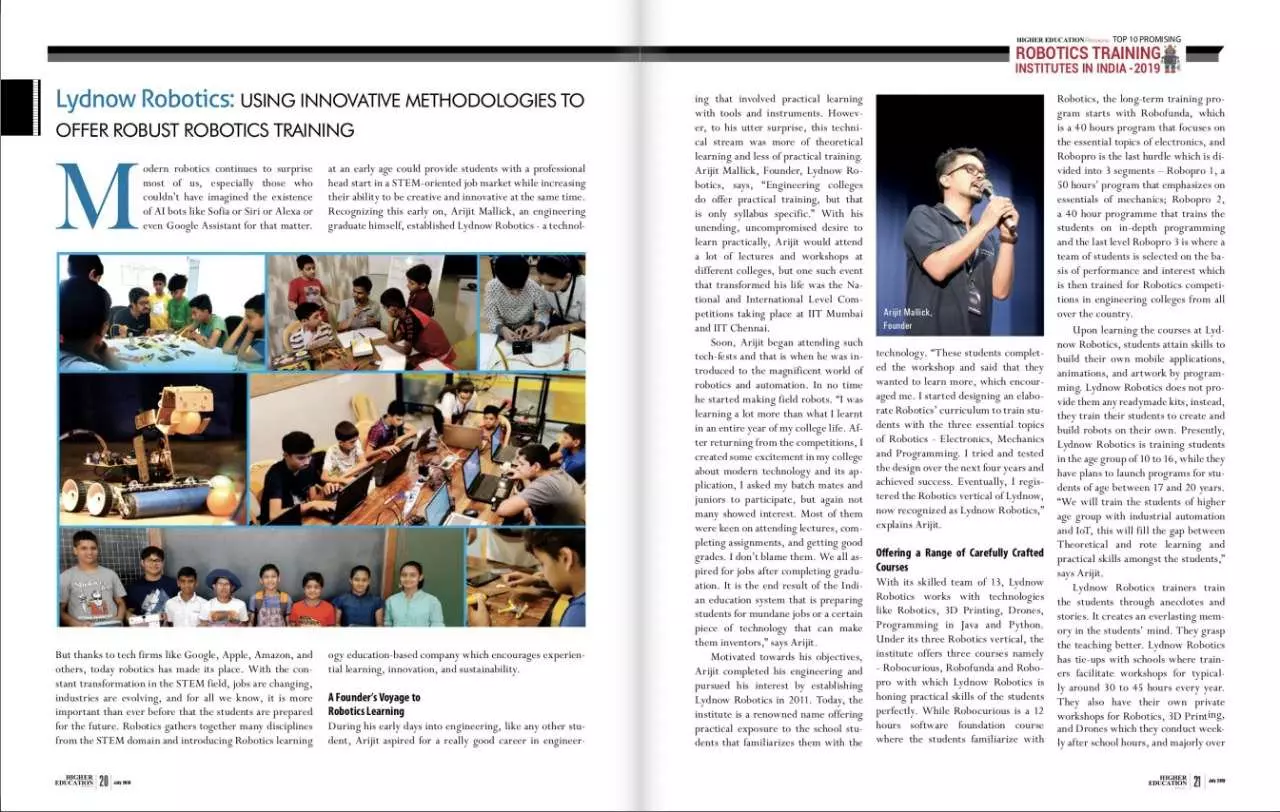
I am very satisfied the way program conducted by Lydnow Robotics team for our students in SVVNS Talawade, Pune. I appreciate the passionate trainers in the Lydnow team and their dedication towards work. I have seen students grow more curious towards robotics and modern-day technology since Lydnow began their work at SVVNS, Talawade. We look forward to continuing Lydnow’s training programs for our students.
Locations
Years Of Quality Training
Courses Related To STEM
Hours Of Instruction
Students Impacted
Mixed Age Groups