Coding 102 is designed to accelerate students' progress in computational thinking through SNAP and Python. With the correct foundation set with coding 101 the students are ready to handle tougher problem solving applications and also move towards agility with their coding skills. Coding 102 introduces students to data structures and dynamic programming while also building testing, debugging and presentation skills for students.
Computing literacy and programming skills coupled with creative problem-solving skills are important in the ongoing digital transformation in the world. Snap! is a powerful medium for beginners of any age looking forward to expanding their computational thinking skills and experimenting with advanced programming challenges.
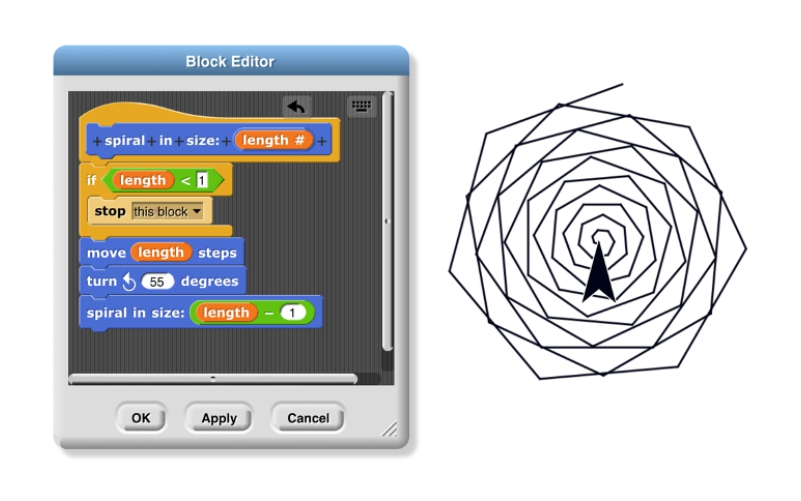
Snap! is a visual, block-based programming language that aims at simplifying a beginner's journey into programming while offering a wider scope of using computing tools and techniques as compared to other visual programming languages like Scratch. Beginners and experienced programmers can use Snap! to deep dive into advanced CS concepts like data structures, higher-order functions, and custom control structures while maintaining the visual appeal and simplicity of a blocks-based programming language. Developed by UC Berkeley researchers, Snap! is available in over 40 languages and is widely used for CS education.
Lydnow Computational Thinking 102 Online Course
This advanced course serves as an important milestone in advancing the skill set students have developed during Coding 101. Coding 102 will build essential skills of building group projects, code testing, consolidation, debugging, and idea presentation among the participants.
Students will also participate in peer review activities and help improvise coding efficiencies for each other.
The Lydnow Advanced computational thinking course prepares for students a solid foundation in computational thinking and advanced programming with Snap! and becomes an essential enabler for students to confidently move to any text based coding language, thereon!
This course focuses on developing HOTS (higher-order thinking skills), argumentation, data-driven decision making, etc in order to prepare students for long-term success with programming. Students pick up skills that impact them powerfully as they learn to articulate a problem and think logically.
Computational thinking also imbibes a habit of thinking and acting in an orderly sequential manner and encourages students to take on disciplined approaches in everyday life. They learn to explore cause and effect and analyze how their or others’ actions impact any given situation.
On completion of this course, students get an invitation to Level 3 Computational Thinking with Python programming. They further continue their journey into Machine learning and data science with python.
Participants receive recorded sessions, worksheets, and session notes regularly. Attendees also have the opportunity to make up for any missed classes through extra classes with their trainers.
We understand that you will have lots of questions about our courses, so below are answers to the questions we are frequently asked. If you have other questions please get in contact with us via email on info@lydnow.com or call on +91 97631 63833
Starting soon!
Level: Beginner
Age Group: 10 - 15 years
Training Hours: 80 hours
Format : In-Class
Starting soon!
Level: Intermediate
Age Group: 10 - 15, 16 - 22 years
Training Hours: 30 hours
Format : In-Class
Starting soon!
Level: Intermediate
Age Group: 10 - 15, 16 - 22 years
Training Hours: 30 hours
Format : In-Class
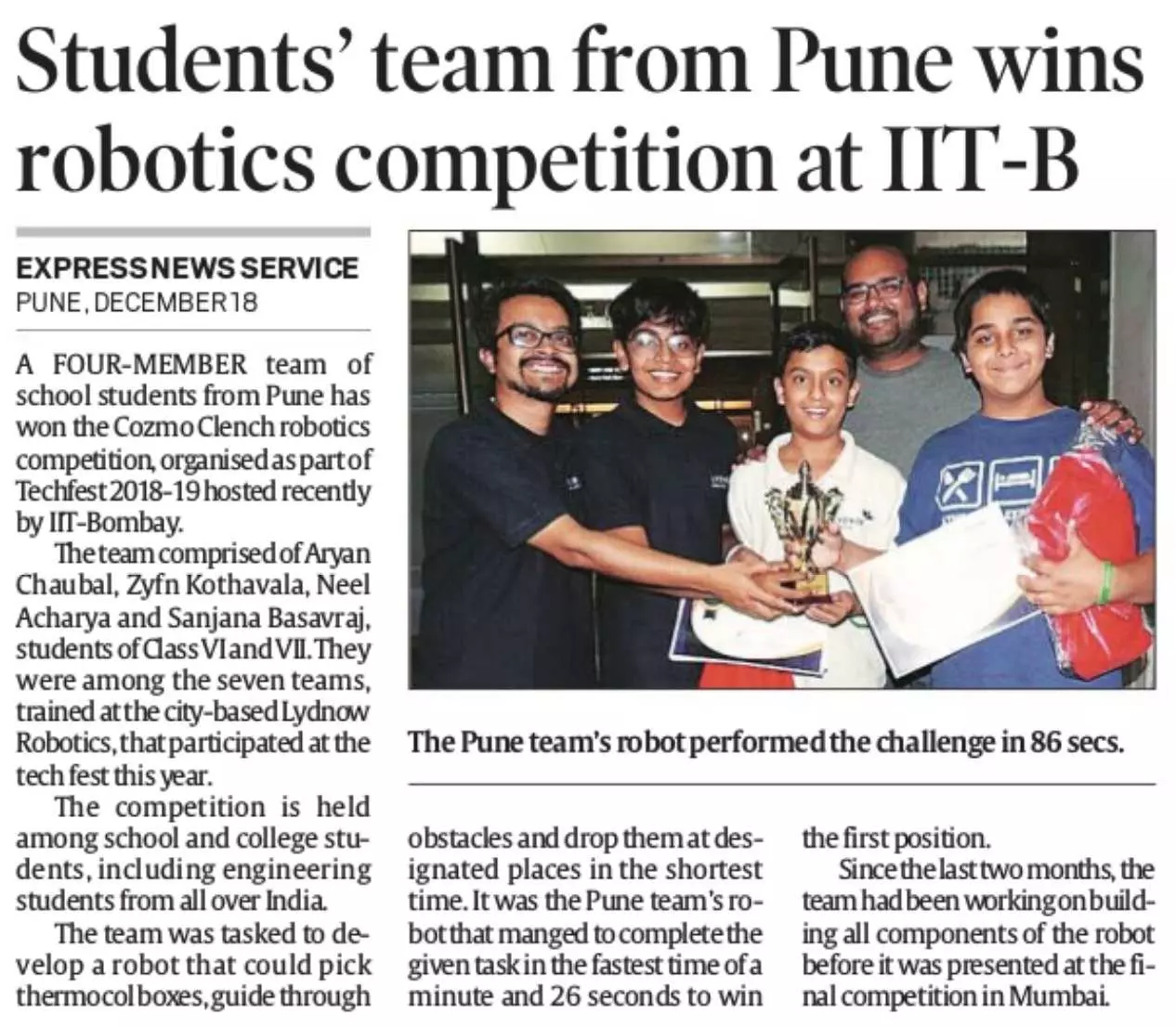
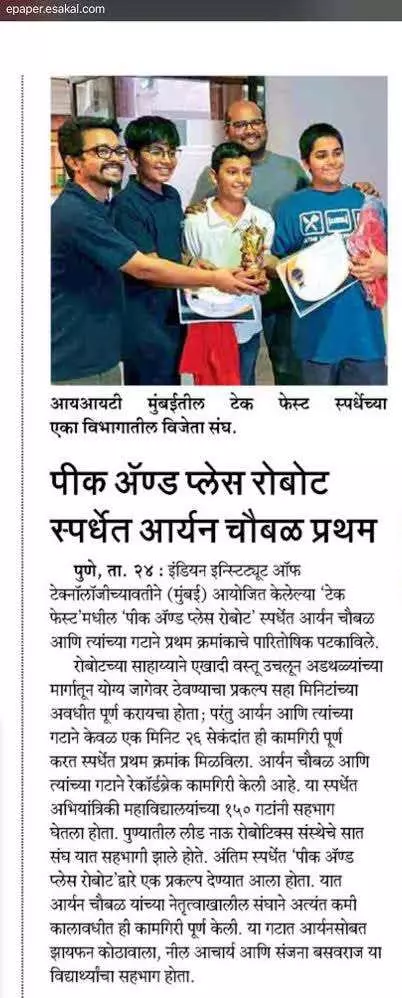
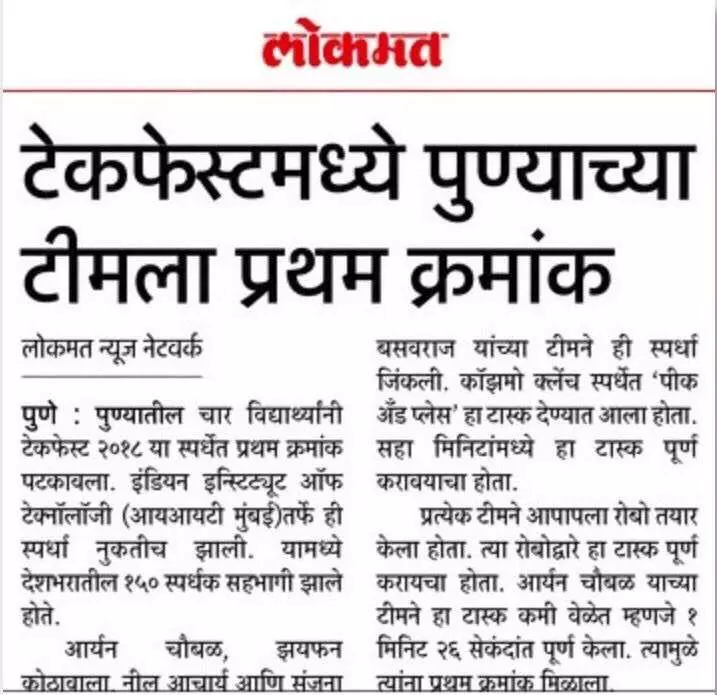
I really appreciate the insight and exposure that was provided in robotics by the Lydnow team. They were always there for us,24*7,helped us whenever needed & be creative in doing our projects. I think every moment spent at Lydnow was wonderful & in specific attending as a team to IIT Mumbai techfest was the best. I am proud to be a LYDNOWIAN & would be happy to join any workshop or attend any courses further. Thanks a lot, Arijit sir for being what you are. You are the best teacher I have come across. I am indebted to all the instructors & trainers who patiently taught me & helped me to build projects.
I am very satisfied with the quality of training at Lydnow Robotics. The way the kids are handled, boosts their imagination, logical thinking and confidence in them. Pratham has become more confident and has started thinking out of the box, always thinking of doing things differently and better. You guys are exceptionally great in training the kids. Hoping you keep doing the same magic with many more kids. All the best!
I am very satisfied the way program conducted by Lydnow Robotics team for our students in SVVNS Talawade, Pune. I appreciate the passionate trainers in the Lydnow team and their dedication towards work. I have seen students grow more curious towards robotics and modern-day technology since Lydnow began their work at SVVNS, Talawade. We look forward to continuing Lydnow’s training programs for our students.
Locations
Years Of Quality Training
Courses Related To STEM
Hours Of Instruction
Students Impacted
Mixed Age Groups